The world today is changing faster than ever—from rising temperatures and widening inequalities to rapid urbanization and technological disruption. With so many global challenges happening at once, finding a clear direction for progress is essential. That’s where the 17 Sustainable Development Goals (SDGs) come in.
Adopted by all United Nations member states in 2015, the SDGs provide a shared blueprint to create a healthier, fairer, and more sustainable world by 2030. These goals are interconnected and designed to ensure that no one is left behind. Whether you’re a policymaker, educator, business owner, or community member, these goals offer a guiding path to meaningful change.
What Are the Sustainable Development Goals?
The SDGs are a set of 17 global goals that encourage countries to work collaboratively on urgent issues such as poverty, climate change, education, gender equality, environmental conservation, and economic growth. Each goal has specific targets and indicators that help track progress.
Together, these goals aim to promote prosperity while protecting the planet.
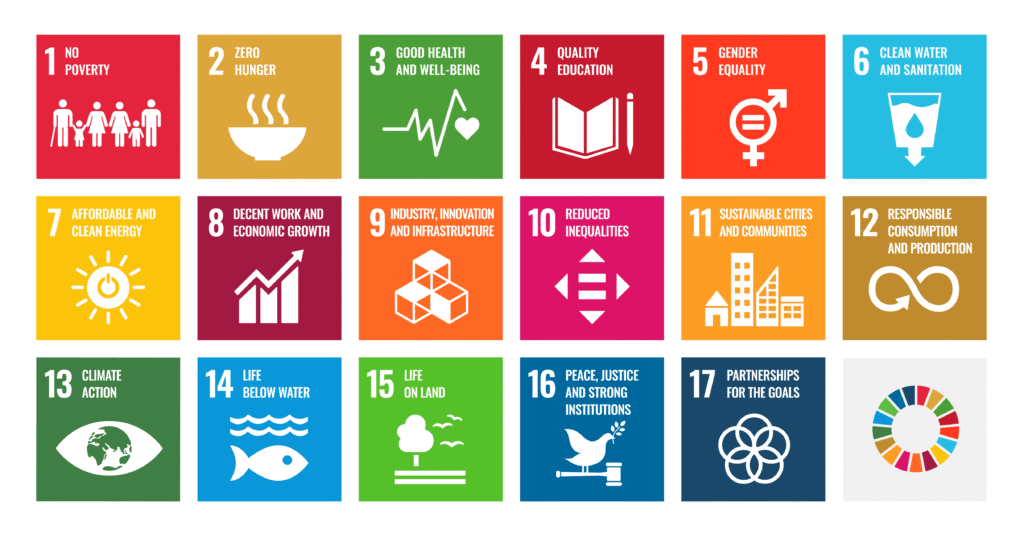
The 17 Sustainable Development Goals Explained
1. No Poverty
End extreme poverty everywhere and ensure everyone has the resources and opportunities to live with dignity.
2. Zero Hunger
Create a world free from hunger by improving agricultural sustainability, food security, and access to nutritious food.
3. Good Health and Well-being
Ensure access to quality healthcare, promote healthy lifestyles, and reduce preventable deaths.
4. Quality Education
Provide inclusive and equitable education for all, empowering individuals with skills for lifelong learning.
5. Gender Equality
Eliminate discrimination, empower women and girls, and provide equal opportunities across all sectors.
6. Clean Water and Sanitation
Ensure access to safe drinking water, proper sanitation facilities, and hygiene education for all communities.
7. Affordable and Clean Energy
Promote sustainable energy solutions, increase the use of renewable energy, and ensure universal access to electricity.
8. Decent Work and Economic Growth
Support sustainable economic growth, productive employment, and safe working conditions for all.
9. Industry, Innovation and Infrastructure
Encourage innovation, strengthen infrastructure, and promote sustainable industrial development.
10. Reduced Inequalities
Reduce disparities within and among countries, ensuring all individuals have equal opportunities.
11. Sustainable Cities and Communities
Build cities that are inclusive, resilient, safe, and environmentally sustainable.
12. Responsible Consumption and Production
Encourage efficient use of resources, reduce waste, and promote environmentally conscious consumption patterns.
13. Climate Action
Take urgent steps to combat climate change and build resilience against its impacts.
14. Life Below Water
Protect oceans, seas, and marine life by reducing pollution and promoting sustainable use of marine resources.
15. Life on Land
Safeguard forests, fight desertification, protect biodiversity, and restore ecosystems.
16. Peace, Justice and Strong Institutions
Promote peaceful societies, ensure justice for all, and build accountable, transparent institutions.
17. Partnerships for the Goals
Strengthen global partnerships to support implementation of the SDGs and mobilize resources for sustainable development.
Why Are the SDGs Important?
The SDGs offer more than just a set of targets—they are a global commitment to a better future. They aim to:
- Improve quality of life for all
- Protect the environment
- Reduce inequalities
- Foster innovation and sustainable growth
- Promote global cooperation
By working together—governments, NGOs, businesses, and citizens—we can create long-lasting, positive change.
Conclusion
The 17 Sustainable Development Goals serve as a powerful roadmap for global development. They bridge social, economic, and environmental priorities to create a world where everyone thrives. As we move forward, collective responsibility and sustained action will be the key to turning these goals into reality.
Together, we can build a more inclusive, greener, and sustainable future for generations to come.